This is a placeholder topic for “SenseCAP Solar Node P1 for Meshtastic” comments.
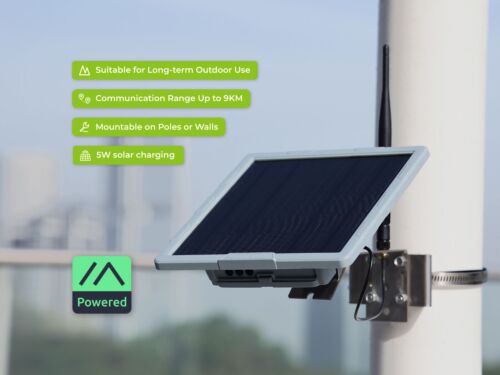
It is an economical solar-powered comms node or repeater based on Meshtastic. It meets basic comms needs in no - network zones. Unlike P1-Pro, P1 lacks a…
Read moreThis is a placeholder topic for “SenseCAP Solar Node P1 for Meshtastic” comments.
It is an economical solar-powered comms node or repeater based on Meshtastic. It meets basic comms needs in no - network zones. Unlike P1-Pro, P1 lacks a…
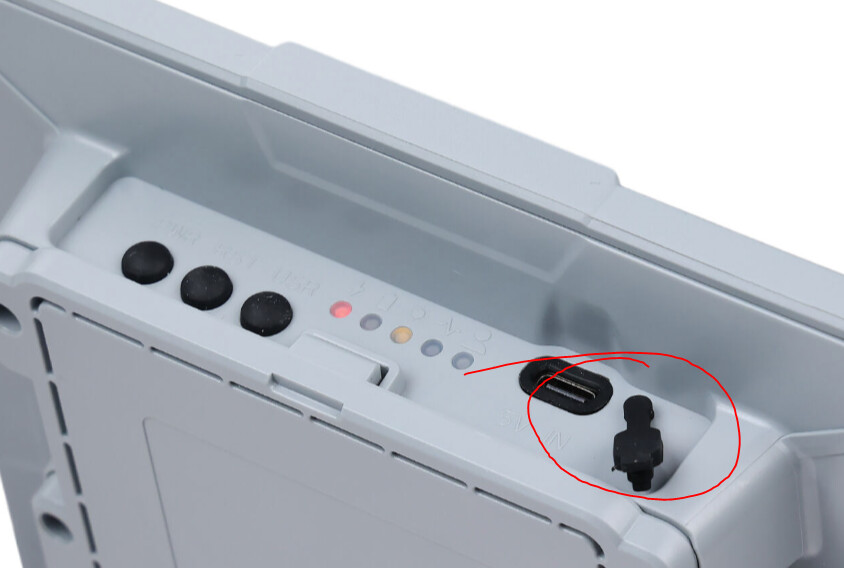
Read moreThis device has exposed usb and electrical connections… but it’s also a solar panel.
The exposed ports imply sheltered use, the solar panel implies full sun.
This product seems a little confused. Is it storm proof?
They need the connectors for the external things like antenna/sensors and my guess the usb is there to help power other bits.
While the weather proofing may not be ideal, there does seem to be some “plugs” if not used
I could not working if the side radio SMA was sealed or not, I would hope so, as it was on the side.
I want to explore this product again.
Am I to understand that the solar panel protects she battery from most of the rain and most of the heat making it safe even for outdoor use. A little bit of silicon or bluetack to protect the ports in the event of crazy weather otherwise safe?
Hey there, @Pixmusix,
Adding a little bit extra to the ports to keep them waterproof is a good instinct. Bluetack… Maybe not. It degrades easily and could end up trapping water in.
The Seeed installation guidance says to consider extra sealing for long-term exposure, so it seems that they’d agree with you. But rather than trying to find the perfect seal for the USB connector, it maybe worthwhile investing in some form of rain shield to add a little extra protection near the ports.
What about heat?
Hi Pix, Jane
There was another sealing instance recently in the thread about the fibreglass antenna where I mentioned "Denso " tape.
Great stuff and a good product. Will not let any water in.
I did mention it is pretty messy to use so should be applied to a finished job. It is not the sort of stuff you want to go connecting and disconnecting too often. The technique I have used successfully in the past is to use PVC tape around the connector then use the Denso to seal that. That way if it has to be removed having the PVC barrier leaves a nice clean connector revealed.
Cheers Bob
PS: you can’t seal this sort of thing completely or you will have a condensation problem. Normally there would be a couple of holes in the bottom to allow the container to “breath” and let any condensation to escape. If there is any chance of crawling things getting in get a it of screen door repair gauze from Bunnings and stick this over the holes.
when something is outdoors and heat can be an issue… as per @Robert93820 comments its mostly going to be the build up of heat. One project we had this big timers made of a customer. Our original design had air vents to allow air flow, that we thought should work. the customer insisted on having it 100% sealed. This lead to warping in on of the main face plates. the PCB/Electronics were ok and where still working 10 years later. After the initial warping (as they are in the direct sun all day when used), we put the vents back in and never saw the issue again.
So based on that learning; I would like to see the solar panel separate from the smart bits. then you can have a air gap between the hot solar panel and the box. then the electronics/smarts can live in a box where either direct sun is shielded or you want vents to let the heat out.
Depending on space, size and cost constraints… think of a project box in a Stevenson box (from weather stations); the Stevenson boxs shields from direct sunlight at the same time allows air flow (to avoid heat build up). Then your project box ideally would be suspected in the middle, and mostly only seeing the actual air tempreture.
That said, if you build something yourself, you can select components better suited.
e,g, even in ESP32 I have seen different tempreture versions
e.g. Standard / High-Temp Versions: Available in 85°C (–40°C to 85°C) and 105°C (–40°C to 105°C) ambient rating grades.
https://documentation.espressif.com/esp32-s3-wroom-1_wroom-1u_datasheet_en.pdf)\
Ok. Seems like I had the right feeling about this thing. Cool product. Not really designed for putting on a rooftop set and forget. Thanks everyone.
And you can get our latest projects and tips straight away by following us on: