
My son wants to do a science project for school and he wants to measure how the muscles react under stress, so he said he needs an arduino and myoware sensors. I’ve had a look on the store and there are a lot of options, can someone point me to what options will get us set up with minimal fuss, the most plug and play options available, also what tutorials or guides we could look at for using it?
Interesting application 
I’m curious whether your son has already done the research to determine what he needs, or was this the suggestion from a teacher ? If he has already done the research, then he should be able to give the detail of what he needs (allowing that some changes are usually required during any project) - and if not, then I suggest that writing up a project proposal should be his first stage, to help him to identify what the goals are, how the project can meet those goals, and what the project will need.
In particular I’m wondering if he knows what is involved in programming the Arduino ? Nothing wrong with C … but rather less beginner friendly than, say, Python. I expect his decision will be driven by the ability to use existing program libraries (pre-written routines that can be called without having to know the details of how they work) … which are often written for the Arduino (because Arduino has been around for a long time).
I believe he wants to use preexisting applications as he doesn’t have the ability to program it himself. He thinks he knows what he needs to get, but he’s also relying on me to check everything is correct. We want to get something that’s as plug n play as possible.
2 Likes
This is what I would buy in your situation.
You may like this Arduino which has more analogue inputs than the original. You will need analogue inputs to read the sensors.
Concerning code: You may find this tutorial helpful.
For the basic prototyping, he can use an Arduino UNO (or Leronardo as someone suggested above) and myoware sensors. And if he has any plan to make the device wearable, he can use Arduino Lilypad. Lipypad is as same as Arduino UNO, the difference is, it is specially made for wearable devices. It can be sewn with clothes and washed with water and mild detergent.
If he wanna make it not wearable but still compact, he may design a PCB or breadboard circuit with Arduino Nano. Some ideas are here.
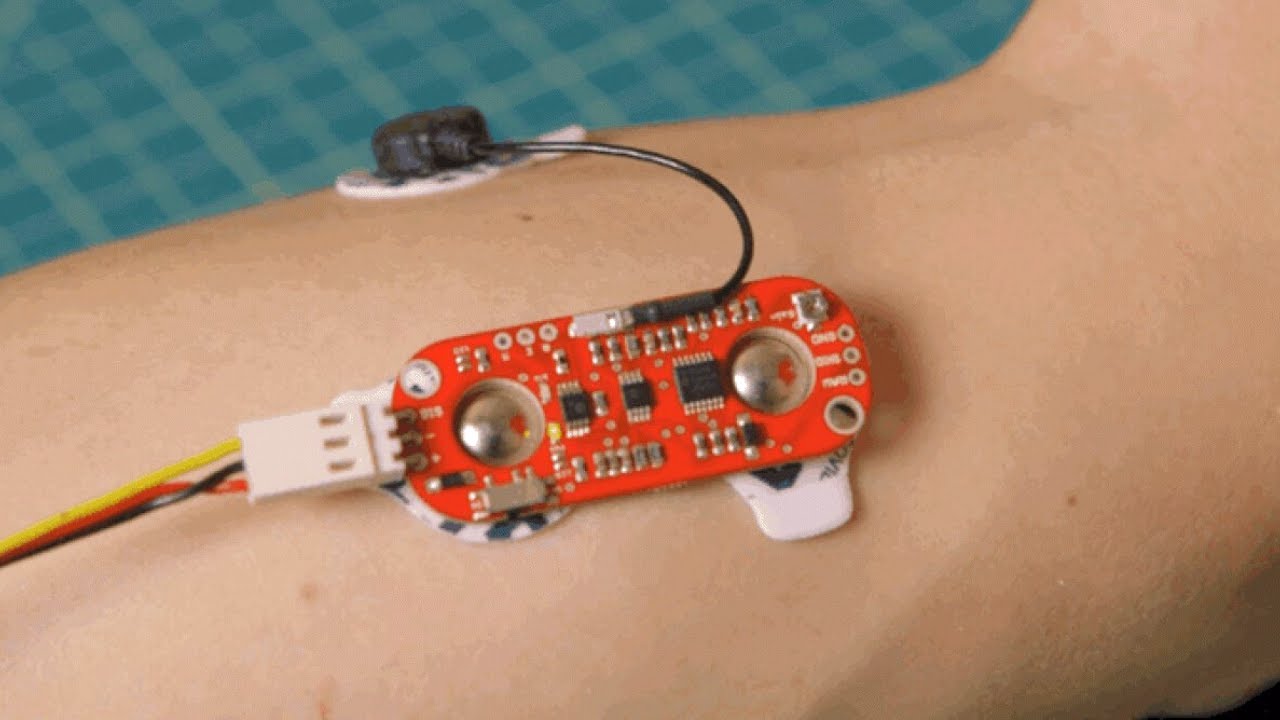
By any chance if he is thinking about accomodating the whole setup inside an enclosure, he can make a casing by 3D printing. Here is a common quality problem solving guide for 3D printed parts.
1 Like