Hi ALL,
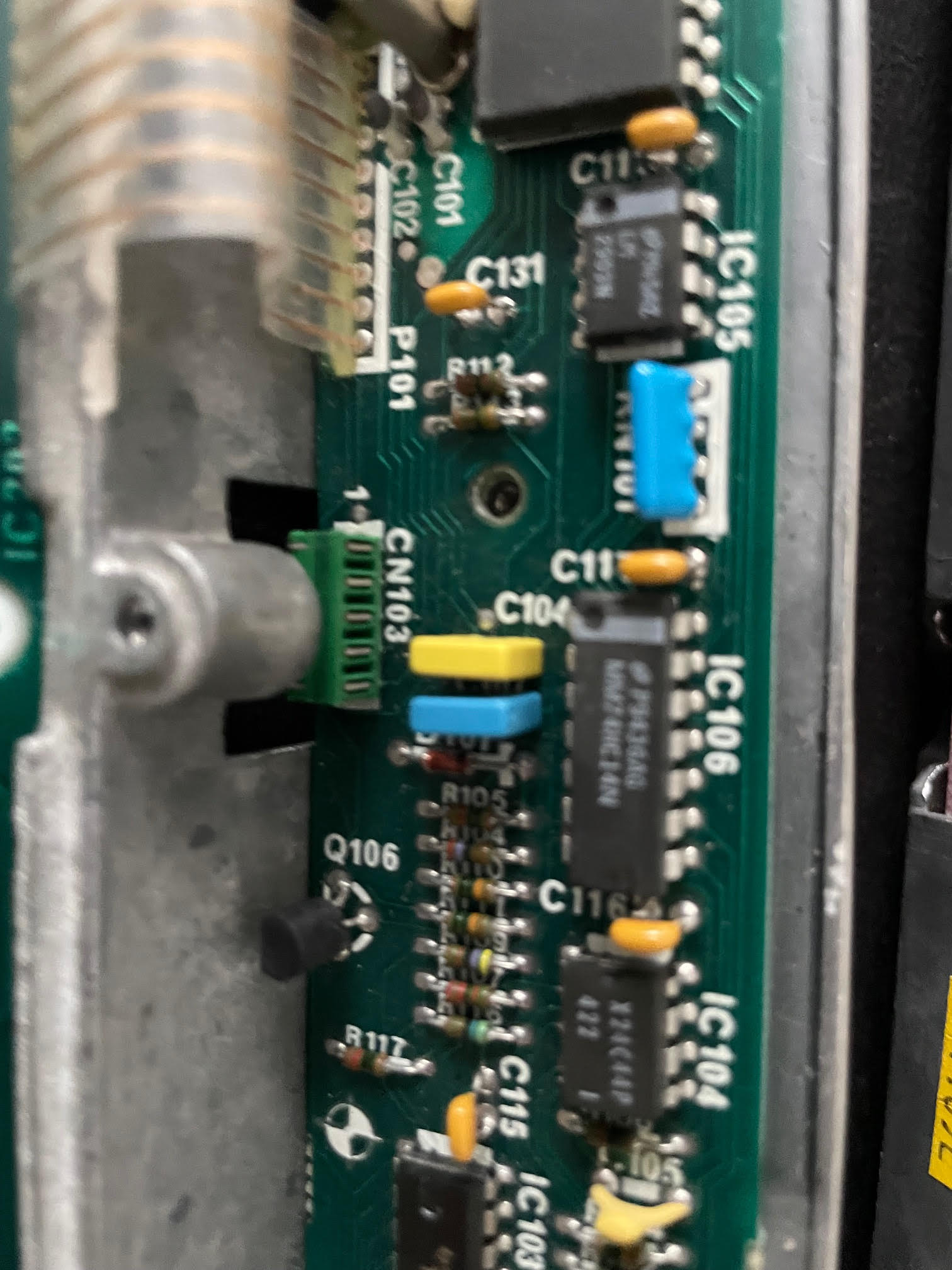
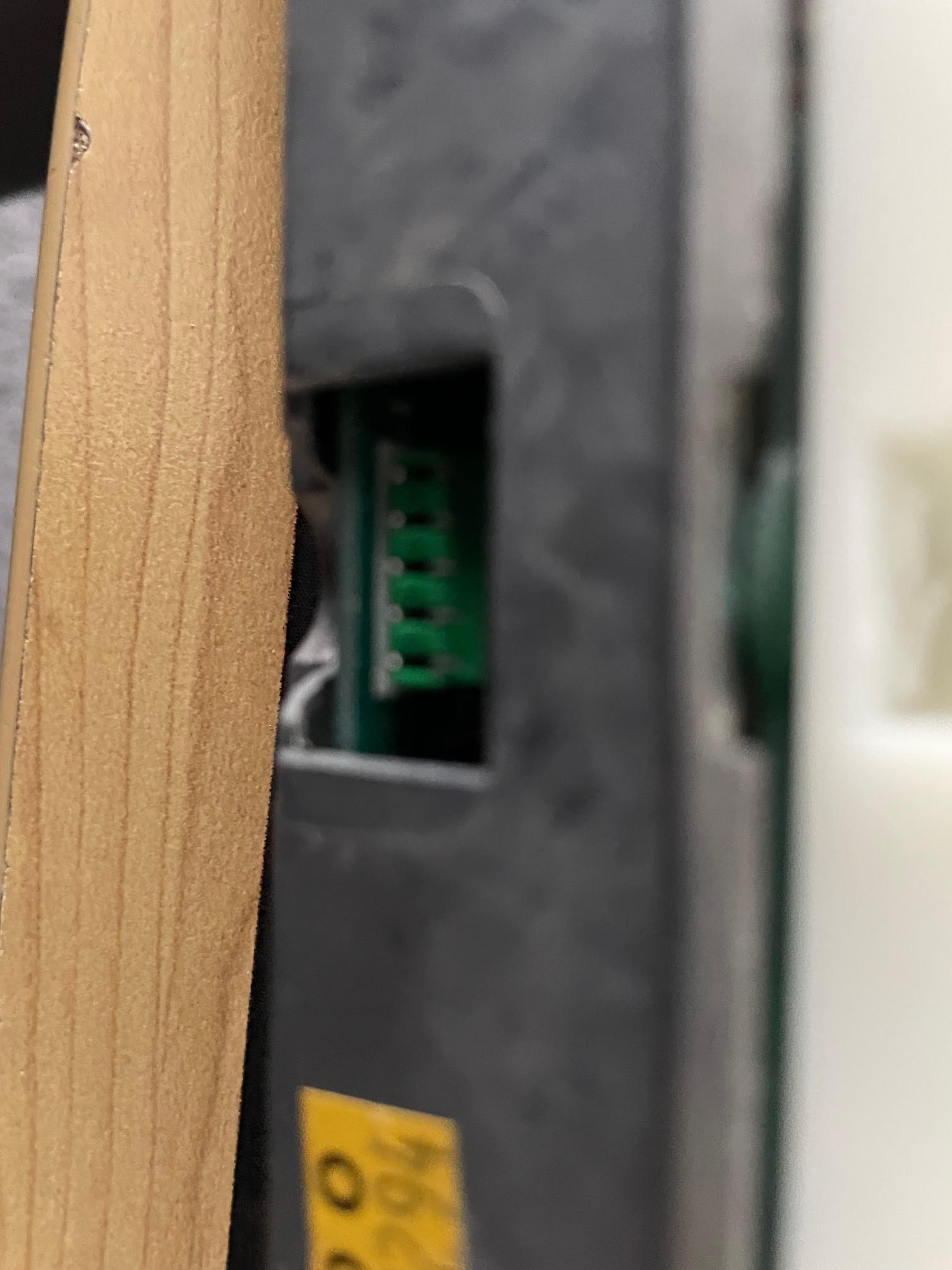
I am struggling to identify this connector. It was utilsed by VDO in the 90s for Holden clusters as a diagnostic port.
Any assistance would be appreciated.


thanks Daniel
Hi ALL,
I am struggling to identify this connector. It was utilsed by VDO in the 90s for Holden clusters as a diagnostic port.
Any assistance would be appreciated.
thanks Daniel
Hi Daniel
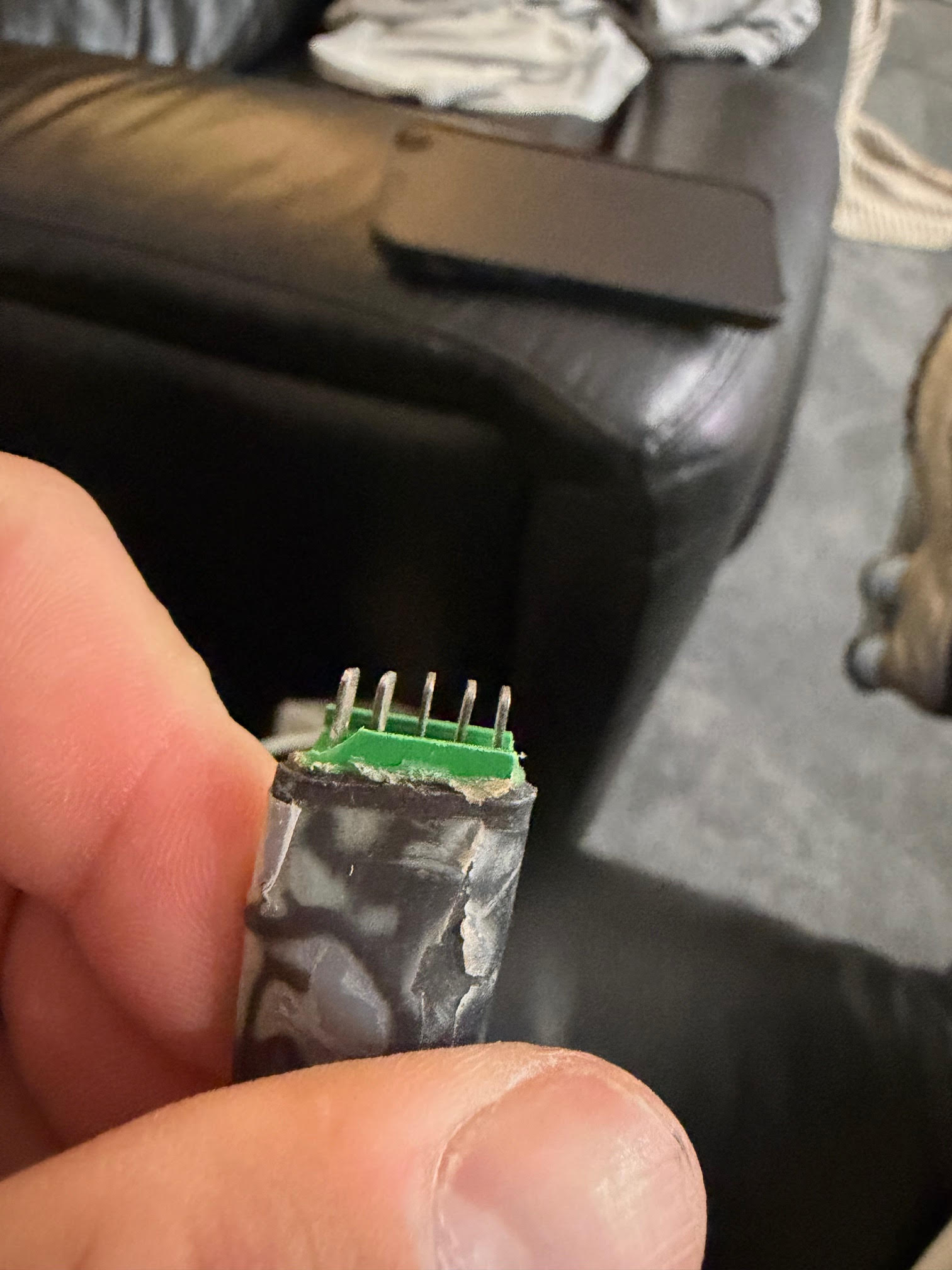
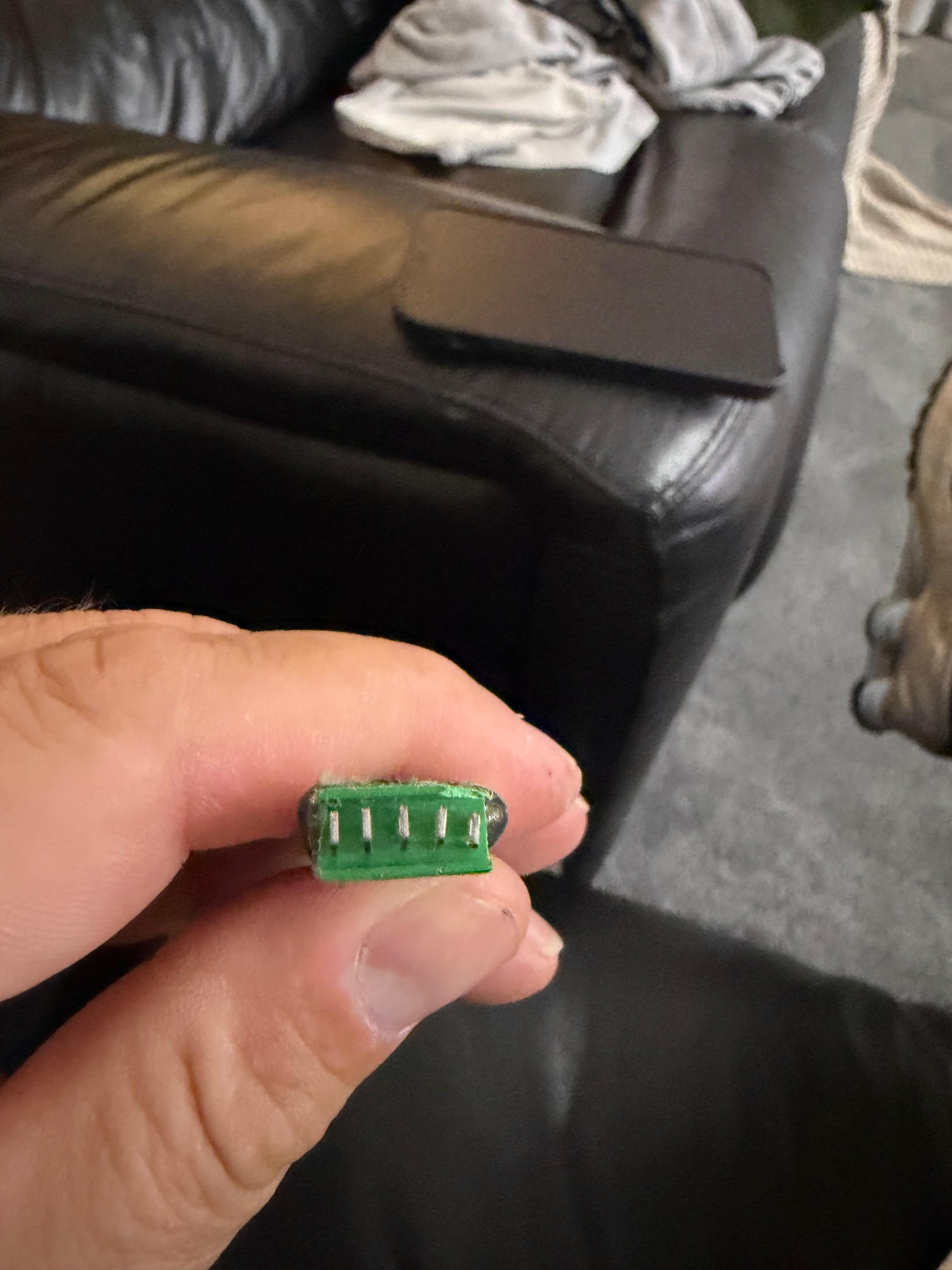
That could be something like an automotive specific connector with the 5 flat pins.
I think a lot of connectors in the auto industry were supplied by Molex. But the green plastic to me would suggest maybe Phoenix Contact although Molex could provide any colour I suppose. Auto connectors are usually multi coloured for identification purposes.
It looks like that one got squashed or hit with something heavy. Or has it been hot.
As a temporary measure you might be able to carefully straighten those misplaced pins and still plug it in. Might have to warm up the plastic if it has been hot. If any “key” has been damaged make sure it is inserted the right way around
I don’t see any evidence of any keying arrangement which I find unusual.
If it was inserted when the damage occurred the mating connector could have been damaged also
Cheers Bob
Hi Daniel
You might have to be a bit more specific here.
For instance pin size and pitch.
Car make and model
Where does the other end plug into. Is it some sort of VDO diagnostic instrument or part of the cable harness.
By “cluster” to you mean the entire instrument dash “cluster” made by VDO and used on holden models.
I have had a bit of a search and can’t find anything like it. The seemingly absence of a locating or orientation key and the relatively large flat pins would look like a game changer.
Have you tried a wrecking yard?
Cheers Bob
Thanks Robert for your response.
This is a temporary connector that VDO utilized for instrument clusters in all holden with digital instrument clusters. Here is some more images.
The VDO Device
The Trip Computer it programs
The photo the connector i posted originally is before my daughter stepped on it and totally destroyed it.
I have utilize a different connector as a temporary measure to get me out of trouble, but it becomes a two person job!
Many Thanks,
Daniel
Where are we here. The first lot of pics showed a damaged connector that was green. This lot shows a black connector.
Also how hard is this.
You have not been exactly forthcoming here.
I have had a bit of a search with no luck.
I even tried all the VDO information I could find but looking at the pic of the VDO device it could have been made obsolete quite some time ago. I could not find any info on that model and type of instrument at all. Even on the VDO web site.
Could not find anything like it at Element 14 which makes me think this connector could be now obsolete or not in general use.. Don’t quote me on that as there is no way I could be sure.
There used to be a publication called “Connector Cyclopedia”. The last edition I saw some 25 years ago was 3 volumes each being about 60mm thick. Just about every connector known to man. They cost some quite a few $k so usually not very common. Would be nice to get a look at a copy.
I have had no joy so you might have to dig deeper.
Sorry 'bout that.
Cheers Bob
Hi Rob,
I truly appreciate your support and time! Unfortunately i have had the same challenge and have been hunting for 6 months! I guess that’s what happens when things are 30 + years old…
Just to clarify, the device uses the green connector in the original pictures which my daughter broke. My original post: The photo the connector i posted originally is before my daughter stepped on it and totally destroyed it.
Then i wrote regarding the black connector, this is a temporary fix which i have used to get me out of trouble I have utilize a different connector as a temporary measure to get me out of trouble, but it becomes a two person job!
The pins are 2mm wide by 2mm apart. I am not sure what the pitch is. How do i work this out?
Once again i truly appreciate your help.
Many Thanks,
Daniel
Hi Daniel
The pitch is the distance apart between the centre line of 2 adjacent pins. As it is a bit hard to judge the centre it is more usual to measure say from the left (or right) hand side of one pin to the same side of the adjacent pin. Or measure from the outside of one pin to the outside of the adjacent pin and subtract the thickness of one pin.
You measured about 2mm, I think that could have been between pins and the pitch might be 2.54mm. That is a standard pitch. Particularly 30 years ago before all these other “standards” came into being.
Cheers Bob
Hi Rob,
You are spot on with 2.54mm.
Thanks Daniel
And you can get our latest projects and tips straight away by following us on: